
5 Must-Do Activities in Cebu
When people think of the Philippines, they often imagine crystal-clear seas, white sandy beaches, and a laid-back coastal vibe. However, Cebu Island offers much more than just the beach. It brings together beautiful natural landscapes, exciting adventure activities, and rich local culture in one destination. Whether you enjoy diving, exploring forests and canyons, or strolling around the city, Cebu suits every travel style. Ticket2 invites you to discover five must-do activities that highlight the very best of Cebu.
Travel to Cebu
Cebu City is served by Mactan–Cebu International Airport, making the island easily accessible from many international destinations. Travelers can reach Cebu via direct flights from selected cities or by connecting through major Asian hubs, with Manila being the most common transit point due to its short onward flight time. Depending on your location, airlines may also offer connections through cities such as Singapore, Hong Kong, or Kuala Lumpur. With a wide range of flight options available, travelers can conveniently choose routes that best fit their schedule and budget which can check the flights via Skyscanner.

Explore Cebu City
While many travelers associate Cebu with its beaches and diving spots, Cebu City is the cultural and historical heart of the island. Exploring the city reveals colonial landmarks, sacred sites, and vibrant local life where tradition meets modernity. A city tour offers deeper insight into Cebu beyond the coast and is an ideal starting point for discovering the island’s true character.
Magellan’s Cross

One of Cebu City’s most important landmarks, Magellan’s Cross was built as a site for the baptism of the first Filipino Catholics and houses a revered wooden cross. The cross is believed to have been planted by Ferdinand Magellan, the Portuguese explorer sailing under the Spanish crown, upon his arrival in Cebu. More than just a historical attraction, Magellan’s Cross stands as a powerful symbol of both colonial influence and the introduction of Christianity to the Philippines.
Temple of Leah

Inspired by Greek and Roman architecture, the Temple of Leah is modeled after the Parthenon and was built by Teodorico Soriano Adarna as a grand tribute to his late wife. The temple features lavish interior decorations, along with an extensive collection of artworks and sculptures. Surrounded by lush greenery and beautifully landscaped gardens, the site also offers breathtaking panoramic views of Cebu and its surrounding islands from above.
Cebu Downtown

Cebu Downtown is one of the oldest areas in the city, located along the Philippines’ oldest street and rooted in the Spanish colonial era. Long a commercial center, it remains lively today with numerous shops and markets. The district features architecture that blends Spanish influences with traditional Cebuano design and is home to several historic landmarks, making it an ideal place to experience Cebu’s heritage and everyday city life.
Minor Basilica of the Holy Child

Established in 1565, the Minor Basilica of the Holy Child is the oldest Roman Catholic church in the Philippines and a major center of Christian faith. It houses the Santo Niño de Cebu, believed to be a gift from Ferdinand Magellan to Queen Juana of Cebu upon his arrival. The basilica holds deep religious importance alongside its significant historical value.
Fort San Pedro

Built in 1565, Fort San Pedro is a historic military structure originally constructed to defend early settlements from pirate attacks and local uprisings. Today, the fort is located within a public park near Plaza Independencia and has been converted into a museum, where visitors can explore exhibits featuring historical artifacts, everyday items, and ancient weaponry.
Argao

A historic town in southern Cebu, Argao has preserved much of its Spanish colonial atmosphere through its traditional houses and architecture scattered throughout the area. Strolling through the town offers a charming glimpse into the past, filled with old-world character and local heritage. Visitors should also take the opportunity to try torta, Argao’s famous local cake and a beloved specialty of the town.
Mactan Shrine

Mactan Shrine is home to the monument of Lapu-Lapu, the chieftain of the Mactan island, as well as a memorial dedicated to Ferdinand Magellan. The site commemorates their historic confrontation during the Spanish colonial era, a battle that ended in Lapu-Lapu’s victory. The shrine is widely believed to stand on the very ground where this pivotal moment in Philippine history took place, making it a place of great historical significance.
Swim with Whale Sharks in Oslob
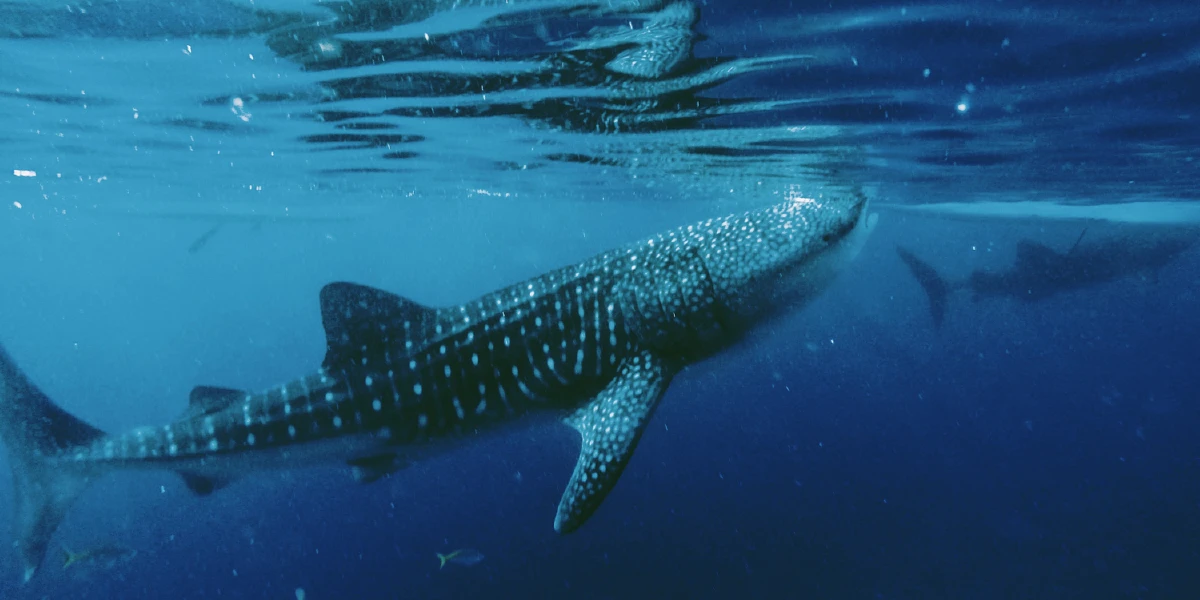
Oslob, located in southern Cebu, is one of the most famous destinations in the world for nearly guaranteed whale shark encounters. This phenomenon began when whale sharks were attracted to small shrimp caught in local fishermen’s nets. Over time, feeding practices led to the area becoming a consistent hotspot for spotting these gentle giants.

Despite their familiarity with humans, visitors must strictly follow conservation guidelines to protect the whale sharks. These rules include maintaining a safe distance, avoiding physical contact, refraining from using camera flash, and following all official instructions.

There are two main ways to experience whale sharks in Cebu. Snorkeling is the most accessible option, suitable for most travelers and those without swimming experience. Scuba diving is more expensive and requires certification but offers a closer, more immersive encounter.
Travelers seeking a more personalized experience can also opt for Cebu Day Tour Whale Shark, offering exclusive and carefully guided encounters in Oslob.
Witness the Sardine Run in Moalboal
Located on the southwestern coast of Cebu, Moalboal is one of the world’s most renowned diving destinations, famous for the spectacular Sardine Run. This natural phenomenon features millions of sardines swimming in massive, synchronized schools, creating a breathtaking underwater spectacle. What makes Moalboal truly special is its accessibility, as the sardine run can be seen just 20 meters from the shore, without the need for long boat rides.

Watching countless silver sardines move in unison, shimmering as sunlight filters through the water, is both mesmerizing and unforgettable. Because of this rare sight, Moalboal has become a top destination for divers from around the world. Whether you choose scuba diving or snorkeling, this extraordinary underwater experience can be enjoyed by travelers of all skill levels.
Dive with Thresher Sharks in Malapascua
Malapascua is a small island off the northern coast of Cebu and one of the few places in the world where divers can encounter the rare and endangered thresher shark. Dives typically begin at dawn, when the sharks rise to shallow waters to visit cleaning stations, allowing smaller fish to remove parasites in cool, low-light conditions.

To protect their natural behavior, divers must strictly follow conservation rules. Chasing sharks, using camera flash or dive lights, making loud noises, or banging tanks is prohibited. Proper buoyancy and calm observation are essential. When these guidelines are followed, thresher sharks often approach naturally, allowing divers to enjoy a responsible and unforgettable encounter.
Canyoneering at Kawasan Falls
Canyoneering is an adventure activity that explores natural canyons and river routes, combining rock climbing, rappelling, swimming, and cliff jumping. The highlight of the experience is Kawasan Falls, known for its vivid turquoise water and lush, unspoiled surroundings, with beautiful scenery throughout the route.

While adventurous, the Kawasan canyoneering route is suitable for most travelers. Much of the journey involves floating along the river, with limited climbing and short jungle walks. A mandatory 4-meter jump is required to continue, while optional jumps range from 4 to 15 meters. Natural water slides add extra excitement to this thrilling experience.