

Ayutthaya 1-Day Trip: Top Attractions & Transportation Guide

13 Aug 20263911
Kunlasattee
A short train ride from Bangkok is all it takes to exchange the busy capital for a historic city filled with stories from the past. Ticket2Attraction has put together an itinerary that begins at Ayutthaya Railway Station, this day trip continues with locally rented transportation and takes you through remarkable temples, ancient ruins, a site connected to an international community, and carefully selected food and cafe stops. The route brings sightseeing, history and relaxing breaks together in one well rounded journey.
Traveling to Ayutthaya
By Car
Route 1
Take Highway No. 1, also known as Phahonyothin Road, and continue past Pratunam Phra In. Join Highway No. 32, then turn left onto Highway No. 309 and continue into Phra Nakhon Si Ayutthaya Province.
Route 2
Take Highway No. 304, also known as Chaeng Watthana Road, or Highway No. 302, also known as Ngam Wong Wan Road. Turn right onto Highway No. 306, or Tiwanon Road, and cross Nonthaburi Bridge, also known as Nuan Chawi Bridge, into Pathum Thani Province. Continue along the Pathum Thani–Sam Khok–Sena route on Highway No. 3111. At Sena District, turn right onto Highway No. 3263 and continue into Phra Nakhon Si Ayutthaya Province.
Route 3
Follow the Bangkok - Nonthaburi - Pathum Thani route via Highway No. 306. At the Pathum Thani Bridge junction, turn onto Highway No. 347, then take Highway No. 3309. Continue past the Bang Sai Royal Folk Arts and Crafts Center in Bang Sai District, then head toward Bang Pa-in District and continue into Phra Nakhon Si Ayutthaya Province.
By Train
Travelling from Bangkok to Ayutthaya by train is a convenient option for those who would like to enjoy the scenery along the way. Board a Northern or Northeastern Line train that stops at Ayutthaya Railway Station from Krung Thep Aphiwat Central Terminal. Several services operate from morning until evening, and the journey generally takes around 1 to 1.5 hours, depending on the train type and daily schedule. It is recommended to check the latest departure times with the State Railway of Thailand before travelling. The departure point is Krung Thep Aphiwat Central Terminal, and the arrival point is Ayutthaya Railway Station.
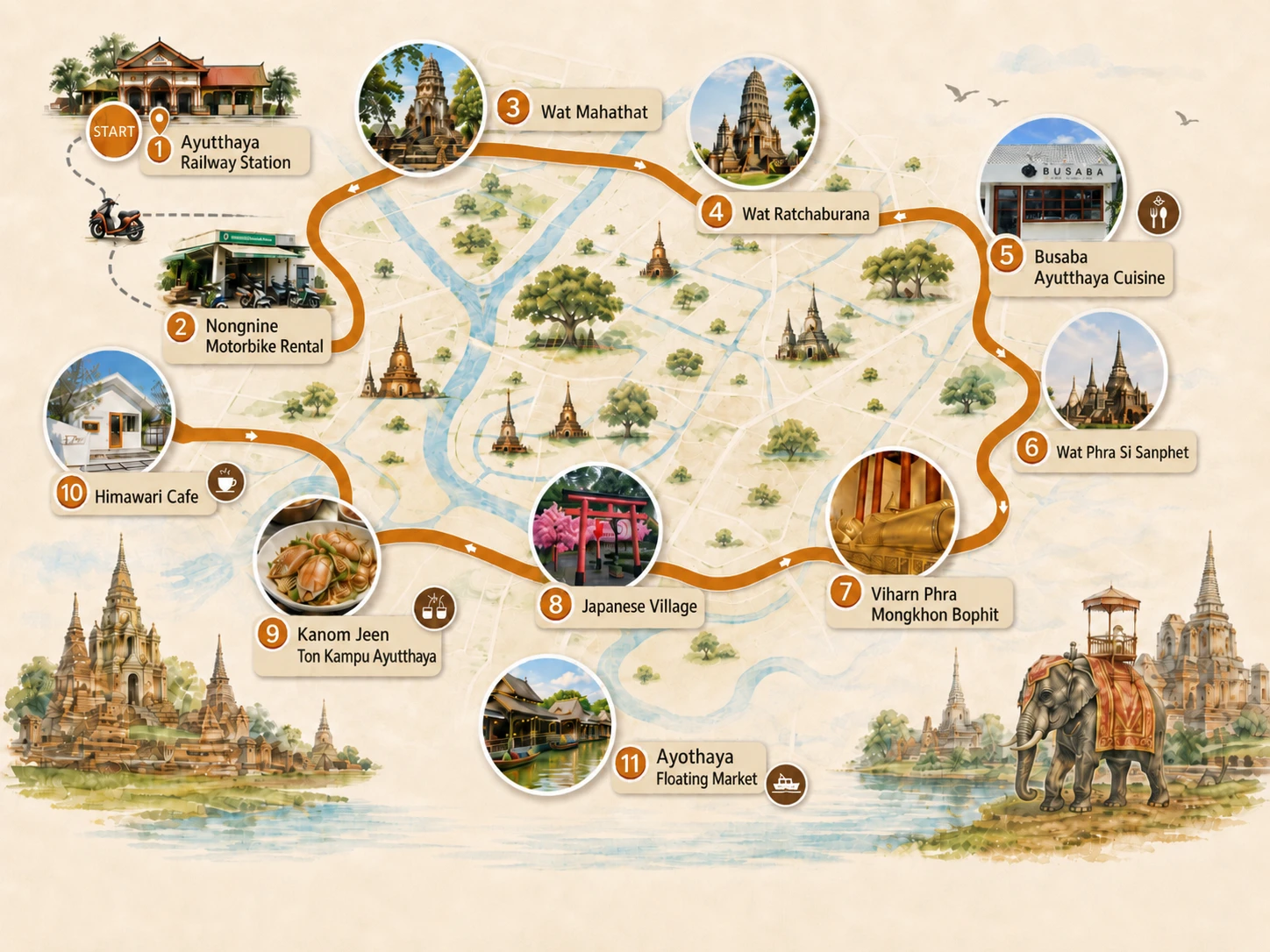
Ayutthaya Day Trip Itinerary
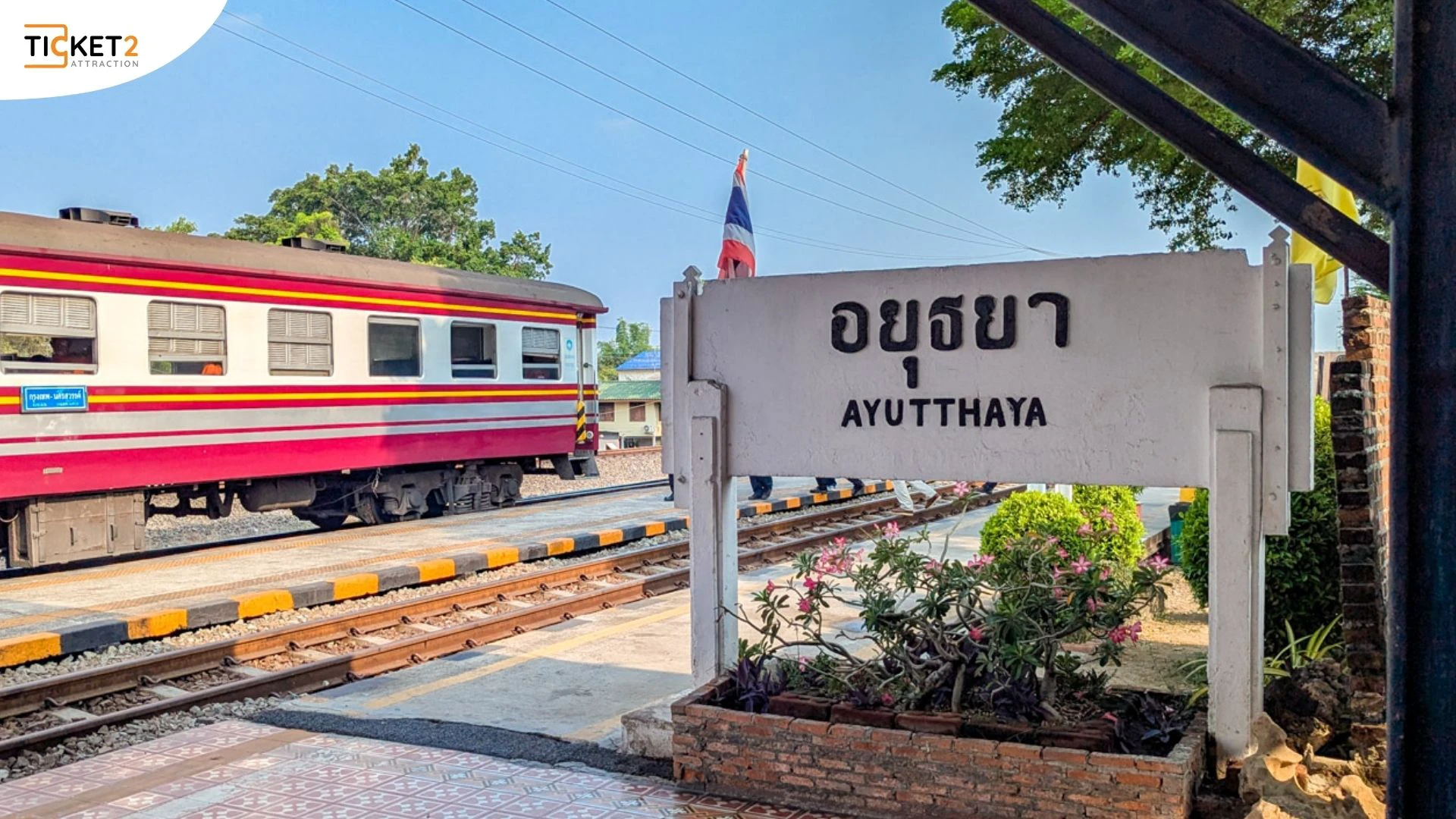
Ayutthaya Railway Station
Begin your one-day Ayutthaya trip at Ayutthaya Railway Station, where the atmosphere of the historic city can be felt as soon as you step off the train. Located to the east of the old city island and close to the Pa Sak River, the station provides convenient access to Ayutthaya’s major attractions. After arriving, Prepare and plan your route before heading out to experience the old city and begin a full day of exploring Ayutthaya.
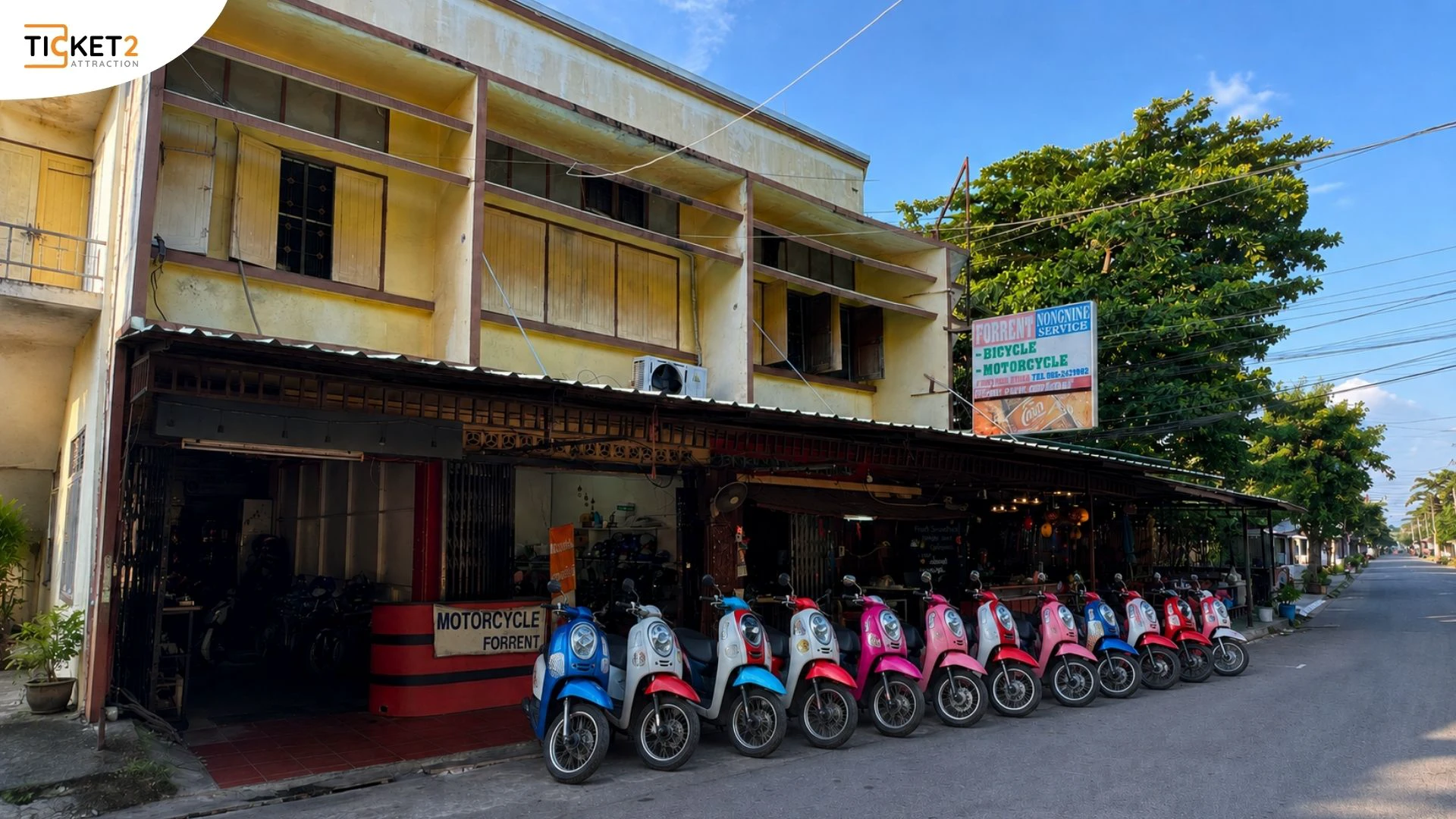
Nongnine Motorbike Rental
Just across the road from Ayutthaya Railway Station, along the lane leading to the ferry pier, you will find Nongnine Motorbike Rental, a convenient place to arrange transportation before exploring the city. Motorcycles are available for approximately THB 200 - 300 per vehicle, while bicycles cost around THB 80. The shop opens in the morning, and day-trip rentals generally need to be returned by 6:00 p.m. Before leaving.
Ayutthaya Cycling and Wooden Boat Cruise with Thai Set menu

Wat Mahathat
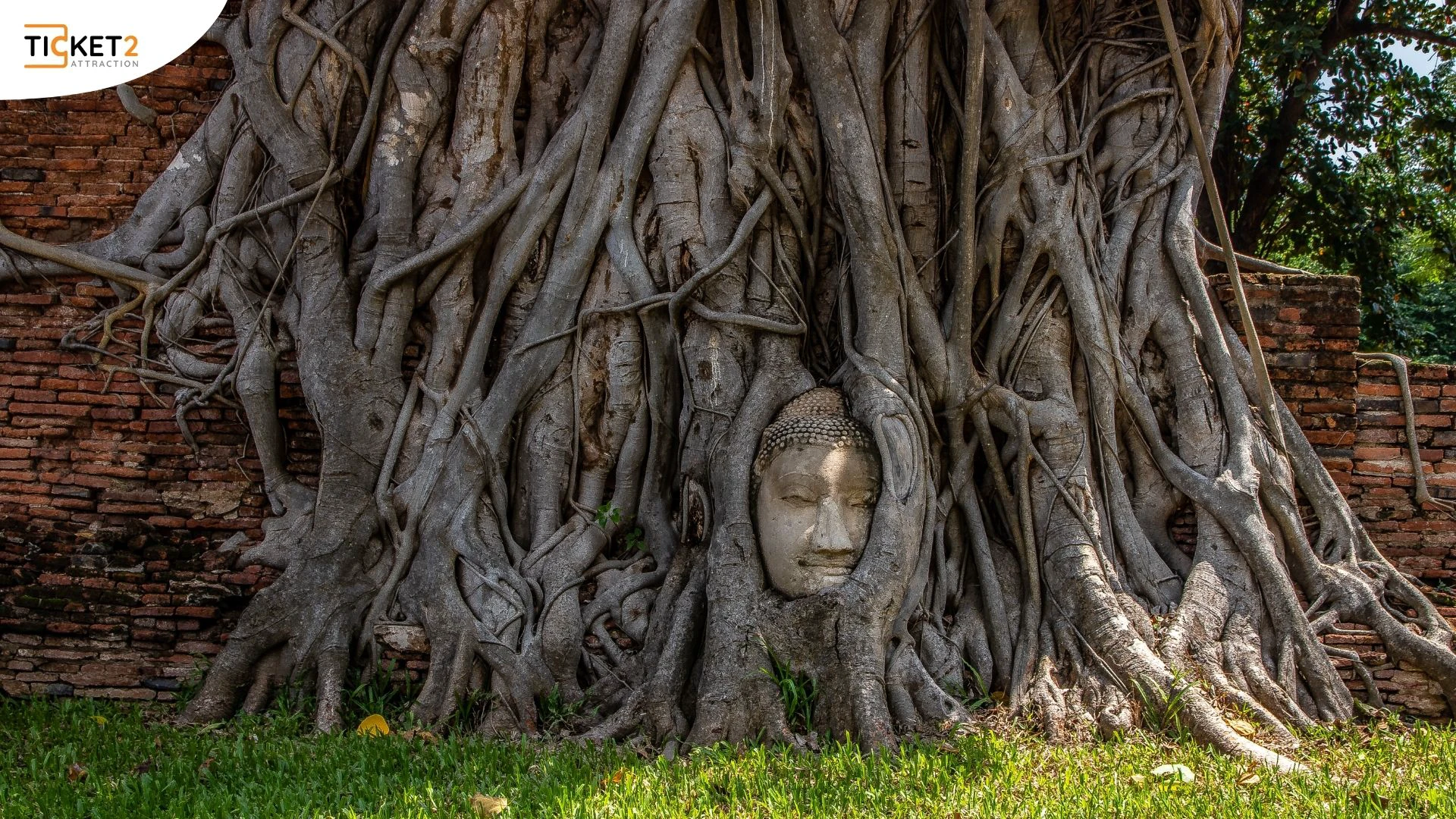
After arranging your transportation, head into Ayutthaya’s old city and stop at Wat Mahathat, one of the most important ruins within Ayutthaya Historical Park. The temple once served as a major religious centre and housed sacred Buddha relics during the Ayutthaya period. Its grounds contain the remains of prangs, chedis and assembly halls that reflect the architecture of the former capital, while the best-known feature is the Buddha head surrounded by the roots of a bodhi tree.
Ayutthaya Heritage Day Tour with Boats & Tuk-Tuks experience
Wat Ratchaburana
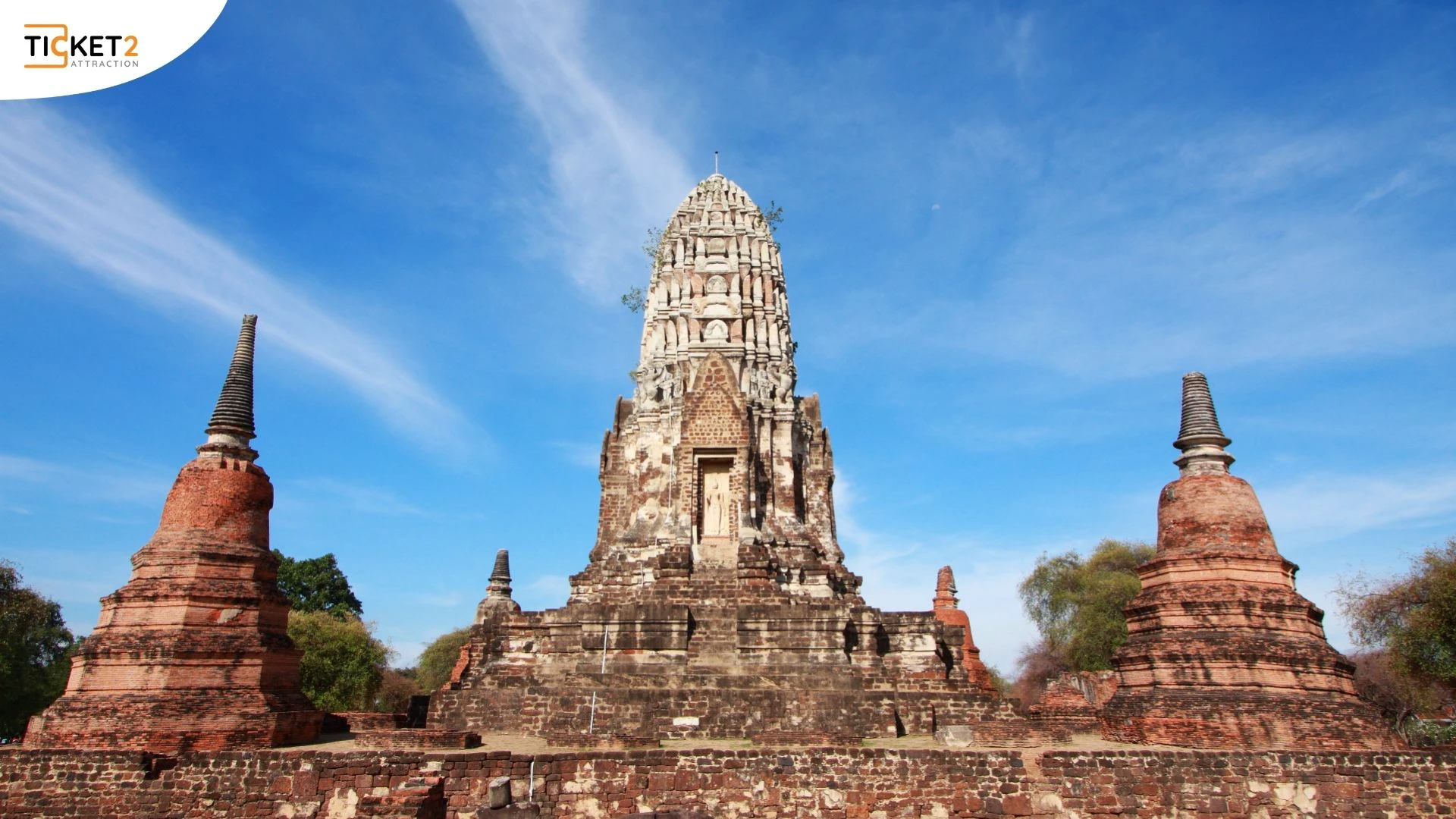
A short journey north from Wat Mahathat leads to Wat Ratchaburana, an important royal monastery built in 1424 by King Borommarachathirat II, also known as Chao Sam Phraya, at the cremation site of his two elder brothers, Chao Ai Phraya and Chao Yi Phraya. The temple is centred around a large prang surrounded by a covered gallery, with the remains of an assembly hall and ordination hall reflecting its original layout. Inside the prang’s crypt are early Ayutthaya period murals influenced by Chinese art, making the site a worthwhile stop for exploring the architecture and royal history of the former capital.
Busaba Ayutthaya Cuisine
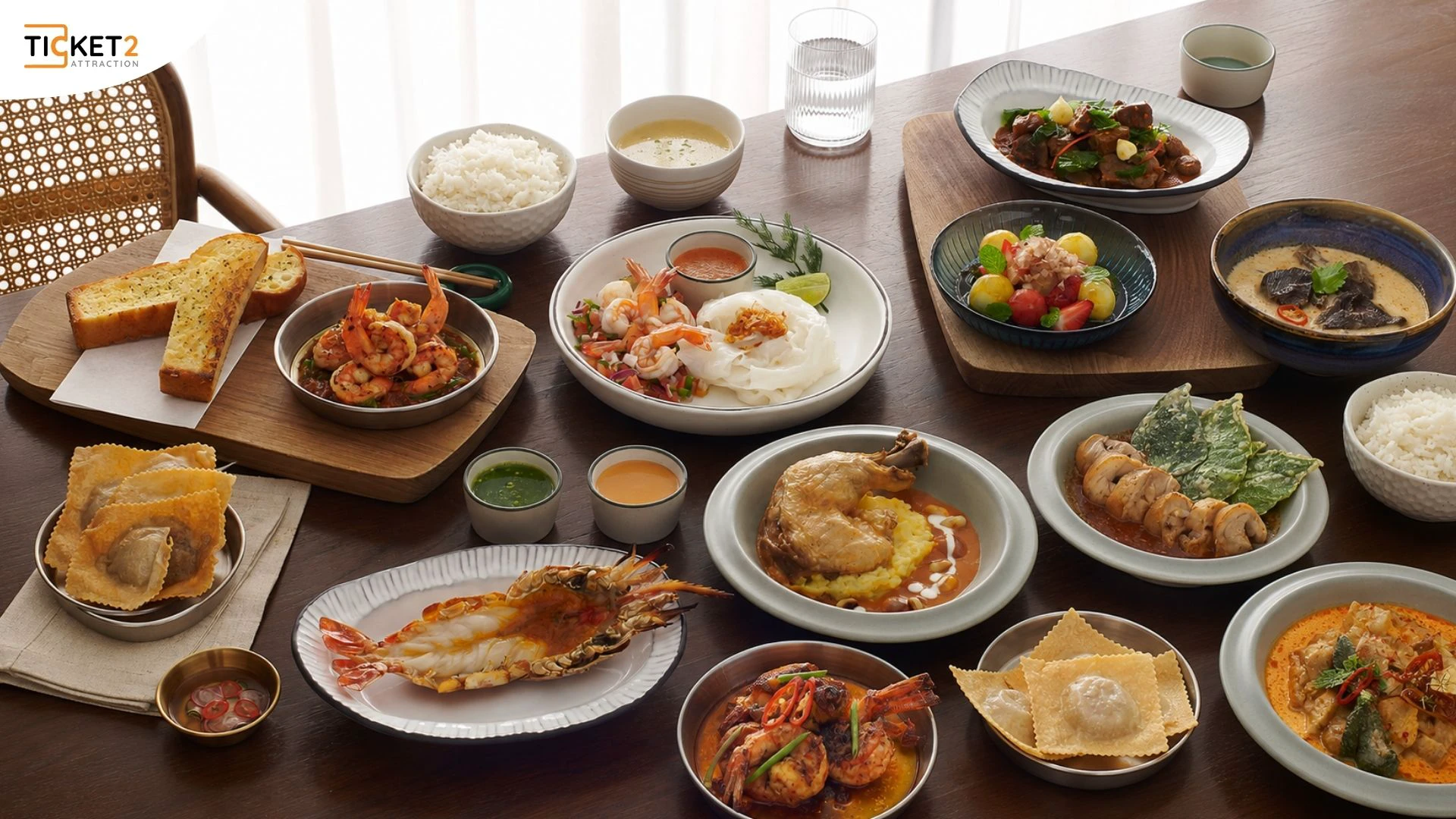
After visiting Wat Ratchaburana, stop for lunch at Busaba Ayutthaya Cuisine, a Thai restaurant on U Thong Road set in a white traditional style house with a clean, contemporary design. The restaurant reinterprets Thai flavours and ingredients associated with Ayutthaya in its own modern Busaba style, offering savoury dishes, drinks and desserts, with the city’s famous roti sai mai incorporated into selected creations. It is a convenient place to rest and recharge before continuing the afternoon sightseeing route.
Open Daily :
Monday - Friday 10:00 a.m. - 7:30 p.m.
Saturday - Sunday 9:30 a.m. - 7:30 p.m.
Wat Phra Si Sanphet
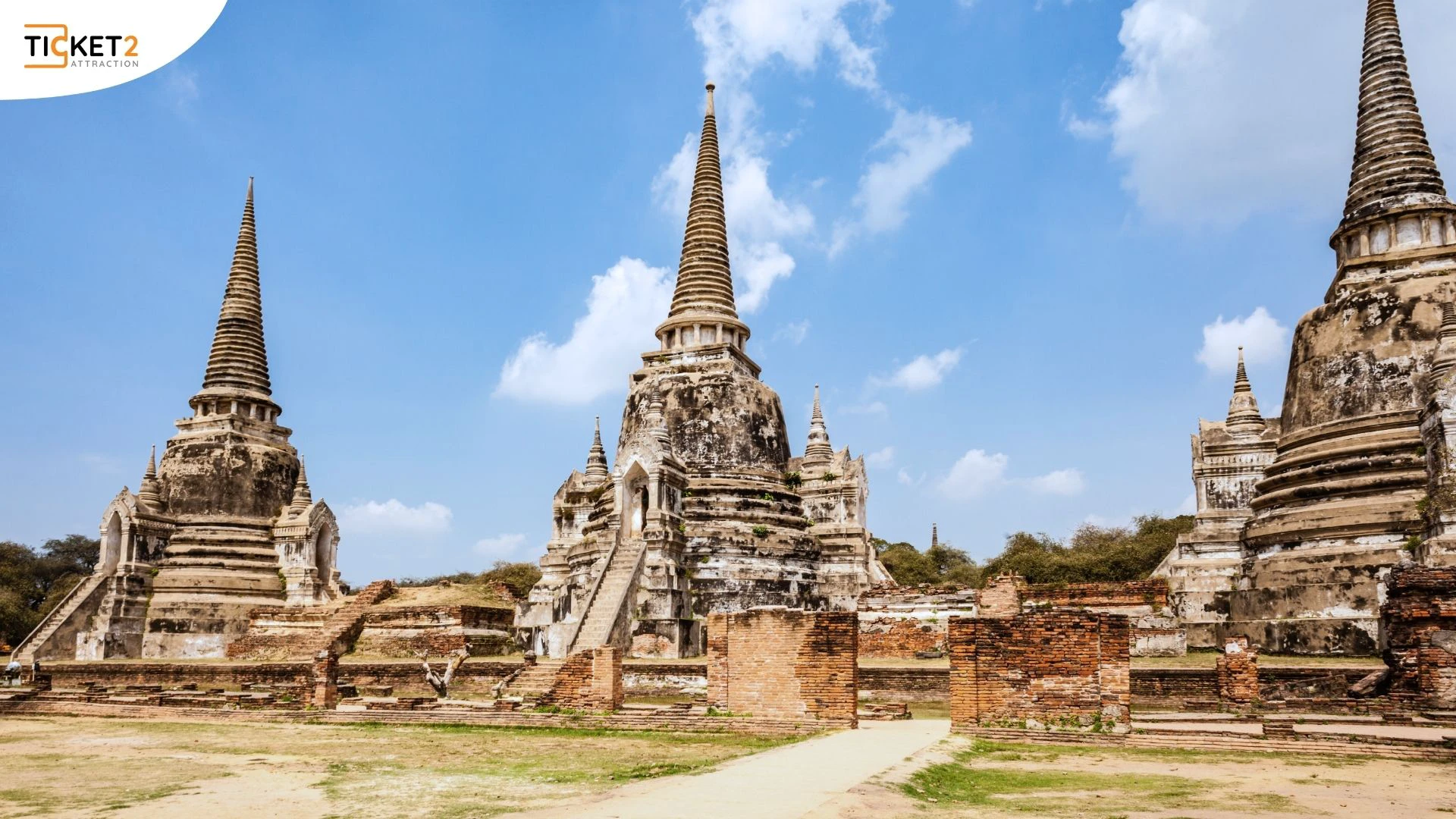
After lunch, continue to Wat Phra Si Sanphet, an important royal temple located within the grounds of the former royal palace. It was once used for religious ceremonies attended by the kings and members of the royal family. The main highlight is a row of three large bell shaped chedis built to enshrine the royal ashes of King Borommatrailokanat, King Borommarachathirat III and King Ramathibodi II. The remains of the royal assembly hall and surrounding structures also provide a clear impression of the site’s scale and importance during the Ayutthaya period.
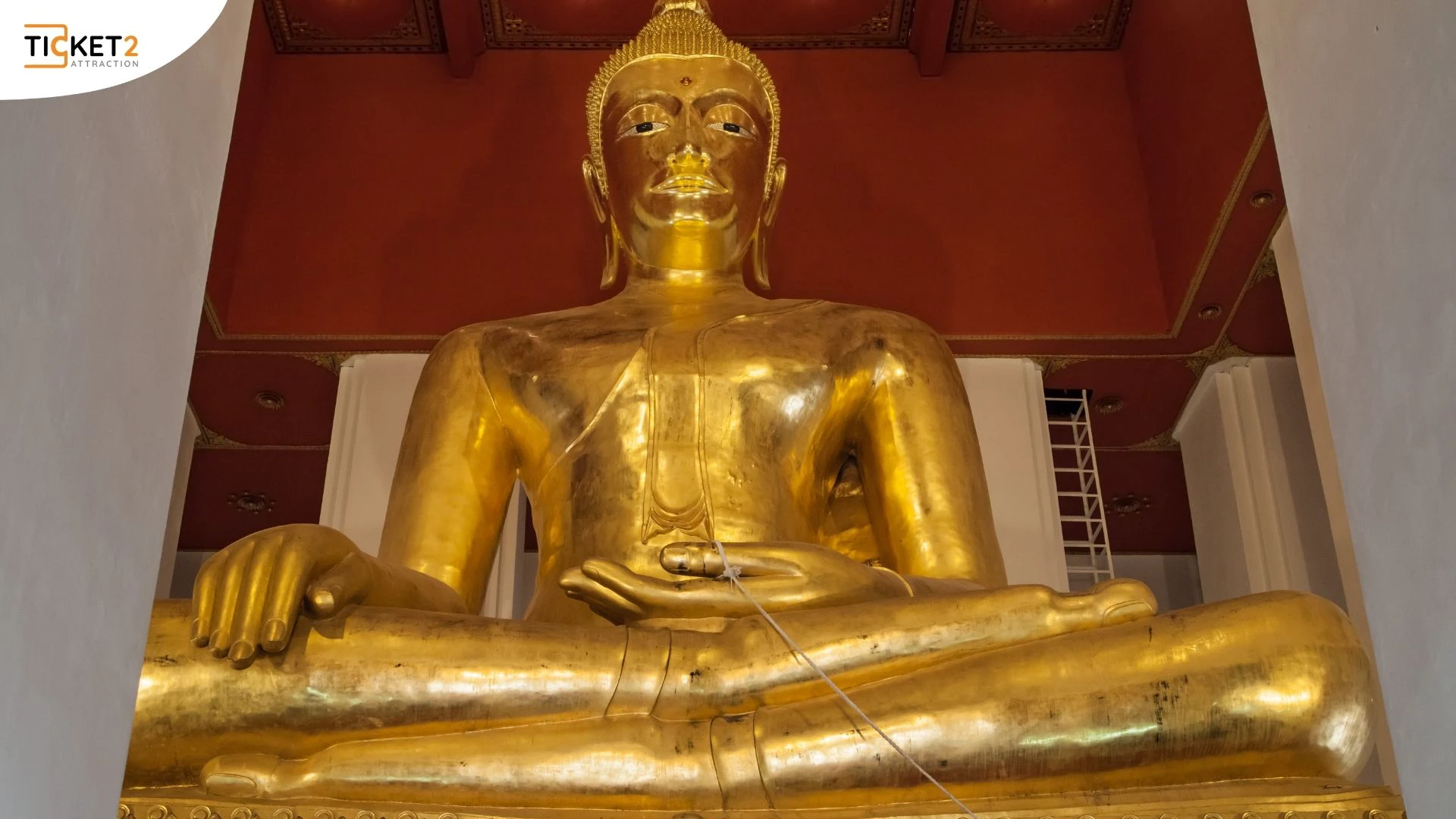
Wiharn Phra Mongkhon Bophit
From Wat Phra Si Sanphet, you can walk to the nearby Wihan Phra Mongkhon Bophit, which houses Phra Mongkhon Bophit, a large bronze Buddha image in the subduing Mara posture. Measuring approximately 9.55 metres across the lap and 12.45 metres in height, it is considered one of Thailand’s largest bronze Buddha images and is believed to date from the early Ayutthaya period. Although the original hall was damaged following the fall of Ayutthaya and later reconstructed, the site remains an important place of worship and a convenient stop.
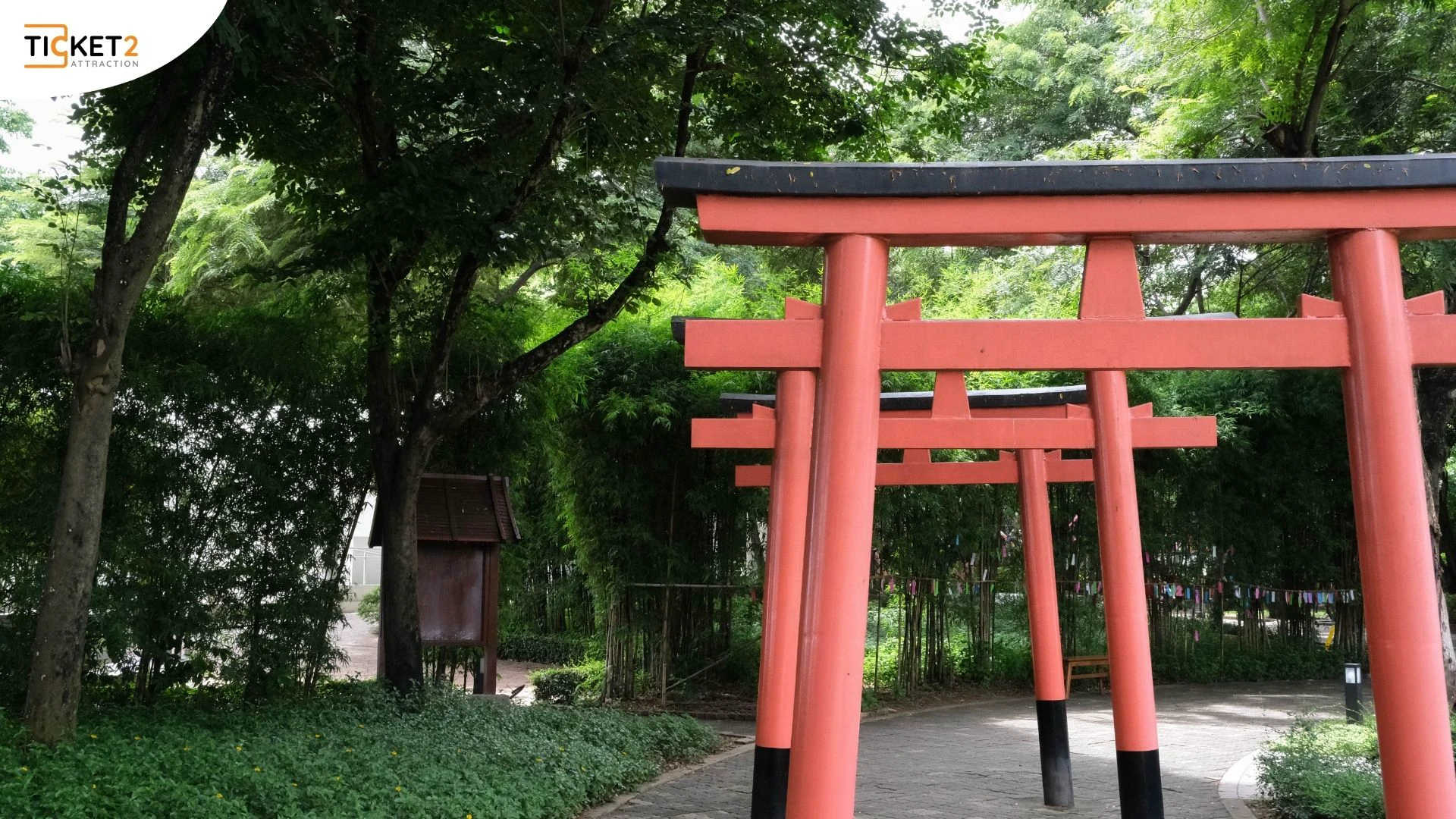
Japanese Village
Leave the old city island and head south to the Japanese Village, located on the former site of a Japanese settlement along the eastern bank of the Chao Phraya River. The area was once home to Japanese merchants, volunteer warriors and other settlers who came to trade and build connections with the Ayutthaya Kingdom. Exhibitions introduce the community’s daily life, maritime trade routes and the historical relationship between Thailand and Japan, including the story of Yamada Nagamasa, who served the Ayutthaya court under the title Okya Senaphimuk. With its Japanese style garden and peaceful riverside setting, the site provides a wider view of Ayutthaya as an international trading city shaped by people from many cultures.
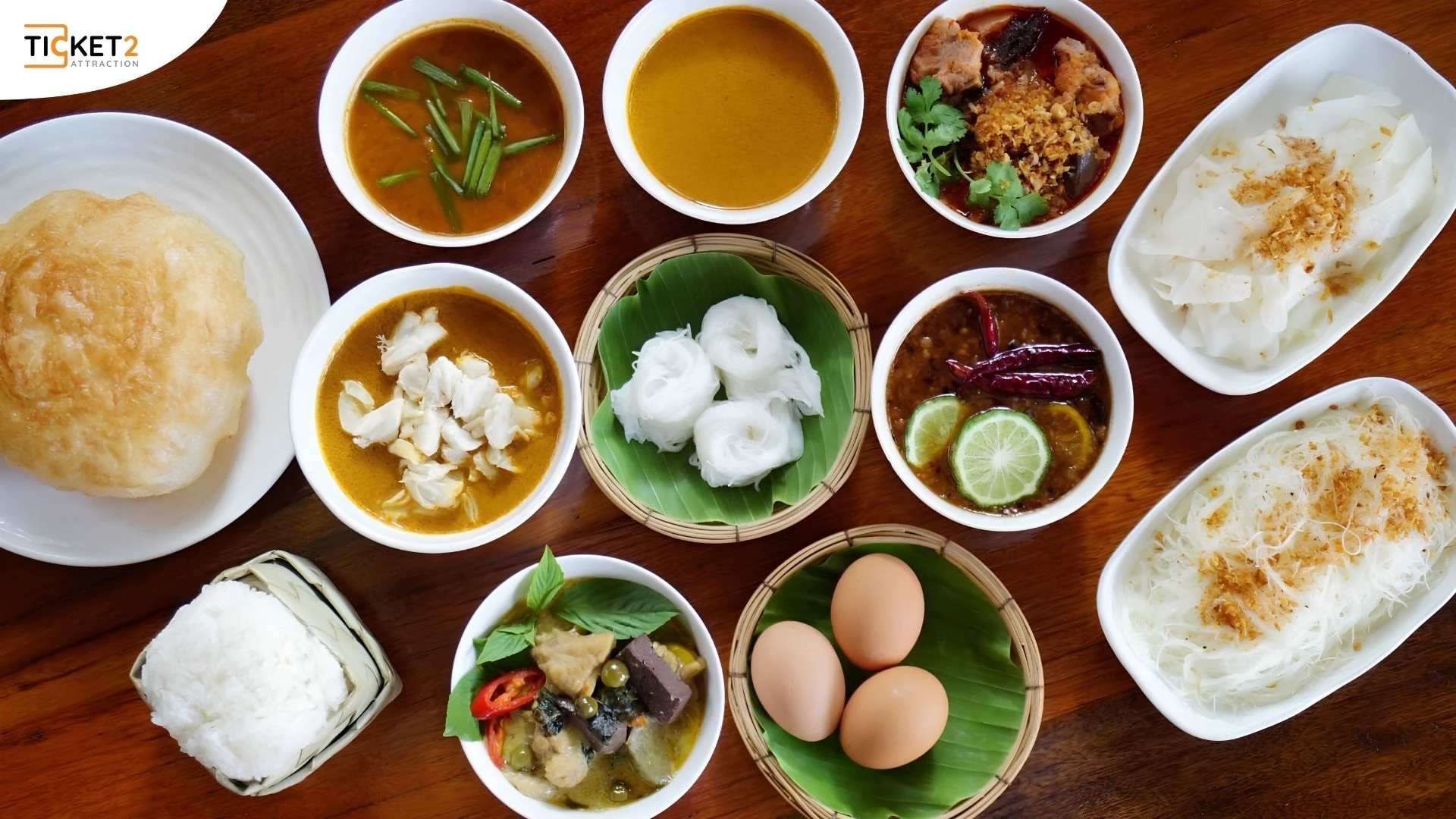
Tonkampu Ayothaya
After exploring the Japanese Village, continue to Tonkampu Ayothaya, a Northern Thai style restaurant located near Wat Yai Chai Mongkhon. Its signature dish is kanom jeen nam ya pu, featuring rice noodles served with a rich crab curry and pieces of crab meat. The menu also includes several other curries for kanom jeen, along with Thai and Northern Thai dishes such as khao soi, sai ua sausage, a Northern style appetiser platter and lemongrass grilled chicken wings. The restaurant has more than 100 dishes.
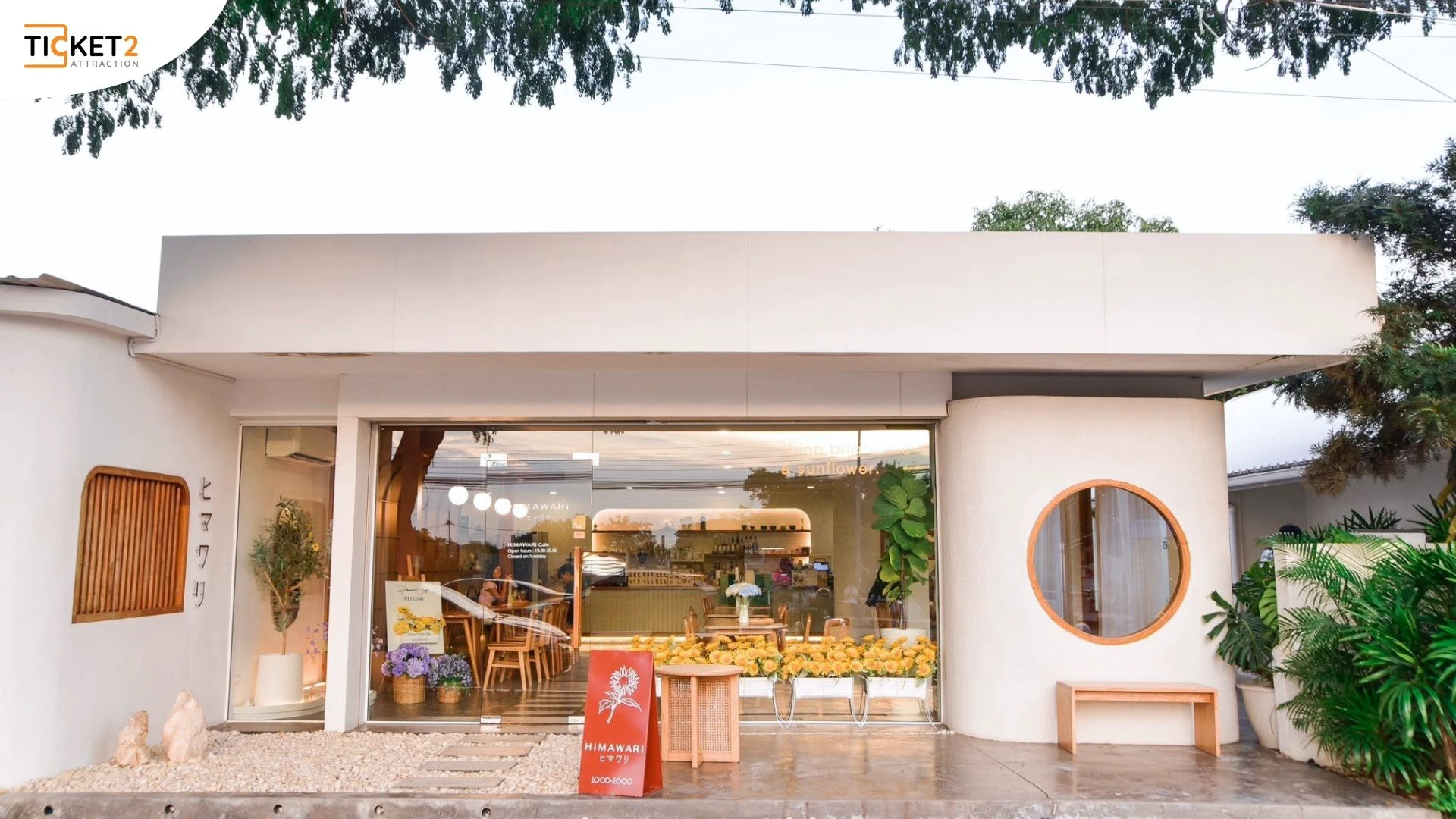
Himawari Cafe
After your meal, take a relaxing break at Himawari Cafe, a Japanese minimalist-style café on Thetsaban Mueang Ayothaya Road near Ayothaya Floating Market. Decorated in warm white and natural wood tones, the cafe offers a comfortable atmosphere with several photo spots both inside and outside. Its menu includes coffee, tea, Italian sodas and desserts such as cakes, croissants and croffles, making it a pleasant place to recharge before continuing to the final destination of the trip.
opening hours as 10:00 a.m.–7:00 p.m., with the cafe closed on Tuesdays
Ayothaya Floating Market
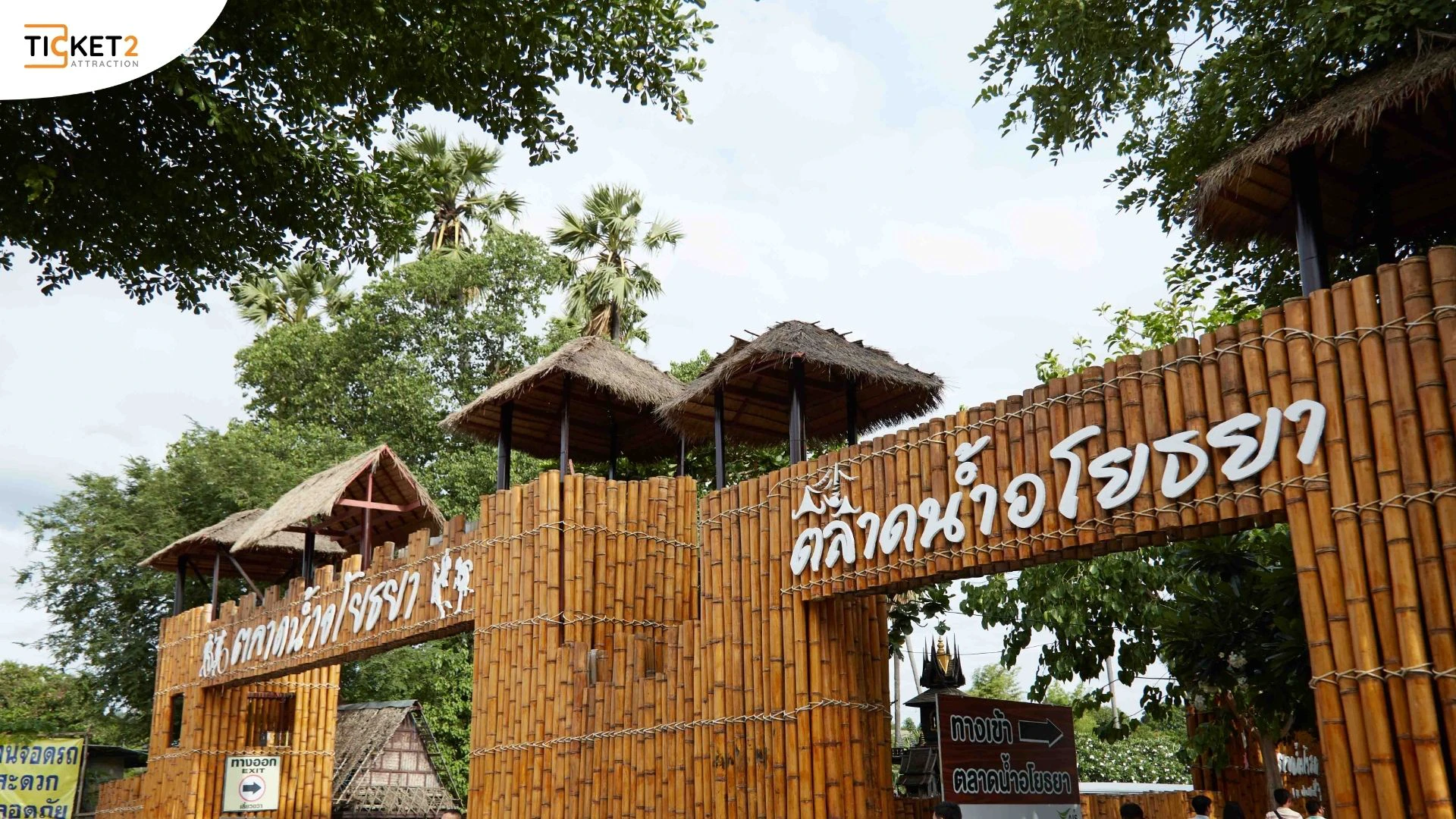
End your one-day Ayutthaya journey at Ayothaya Floating Market, a cultural attraction designed to recreate the atmosphere, traditional lifestyle and Thai-style architecture of the Ayutthaya period. Walkways and wooden buildings surround the central waterway, with shops offering Thai food, traditional desserts, local products and souvenirs. Different zones are named after districts and important markets across Phra Nakhon Si Ayutthaya Province, while boat rides and scheduled cultural performances provide additional ways to explore the site.
By the end of the journey, you will discover that Ayutthaya’s appeal extends far beyond its brick ruins and ancient chedis. Its character can also be found in the stories of past communities, cultural connections, local flavours and quiet moments experienced along the way. Rather than simply moving from one attraction to another, this route offers a chance to understand the city from several perspectives before returning home with lasting memories of Thailand’s former capital.


